


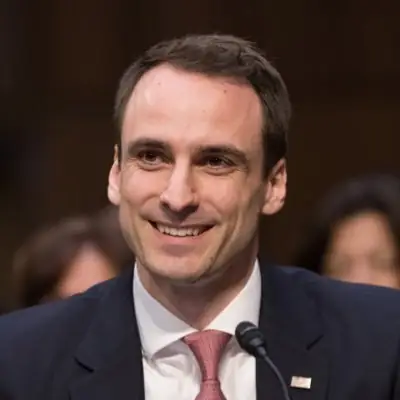
From the heart of Washington comes high praise for India’s tech dominance. Michael Kratsios, President Trump’s key science aide, labeled India a ‘technological superpower’ on Fox News, spotlighting its role in White House AI plans following the India AI Impact Summit.
India’s strengths are undeniable: a flood of skilled engineers annually, potent indigenous expertise, and a thriving pipeline of AI innovations. These factors make it a linchpin in the global tech narrative.
AI disparities are widening fast between advanced and aspiring economies. Kratsios calls for differentiated tactics, warning developing nations to integrate AI into vital domains—medicine, schools, utilities, farms, public welfare—or forfeit future gains.
The White House counters with the American AI Exports Program, supplying premium technology, funding streams, and deployment help to democratize access.
On ‘true AI autonomy,’ Kratsios said it’s about deploying optimal tech for public good and self-determined progress amid flux. He stressed US AI supremacy draws global interest, sans rivalry.
Tomorrow’s AI stars ‘agents’ needing standardized communication for synergy. NIST’s work promises safe, potent integration.
Infrastructure expenses—data hubs, semis, power—daunt newcomers. US support via finance corps, export banks, and the fresh US Tech Corps (tech-focused volunteers) aims to level the field.
India’s legacy as a tech-sharing partner endures, enhanced by US firms’ expansive data and R&D footprints, signaling deeper AI synergy ahead.