


Pakistan’s attempt to drag India into the Durand Line imbroglio has been met with fierce dismissal from New Delhi. The MEA has laid bare Islamabad’s lack of credibility on terror issues, citing its notorious history of fostering militants across borders.
In a terse briefing, spokesperson Randhir Jaiswal said, ‘We dismiss these fabricated charges entirely. Blaming India is Pakistan’s go-to excuse for its failures—no one is deceived by this anymore.’
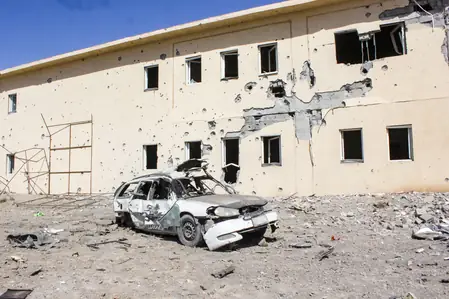
Flashback to the trigger: Pakistan’s February 21 incursion into Afghanistan prompted Afghan reprisals on February 27 against Pakistani posts. Pakistan countered with ‘Operation Gajab Lil-Haq,’ framing it as justified retaliation.
India escalated criticism over Pakistan’s airstrikes in Afghanistan, particularly offensive during Ramadan. At the UN Security Council, P. Harish exposed the farce: ‘One preaches Islamic unity and international standards, the other bombs mercilessly in a holy month—pure pretense.’
The human cost is staggering—185 civilians killed by March 6, 2026, with women and children comprising 55%. India decried the attacks as an assault on sovereignty, international law, and the UN Charter, his remarks in the Afghanistan session implicitly zeroing in on Pakistan.
Pakistan defends its strikes as anti-terror operations against Afghan-based threats. India, however, accuses it of being the puppeteer of proxy terror against neighbors.
This MEA broadside is part of a broader pattern of India calling out Pakistan’s duplicity. With regional stability at stake, New Delhi’s forthright diplomacy aims to isolate terror sponsors and foster genuine peace. Pakistan’s narrative is crumbling under scrutiny.