


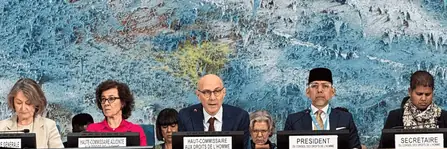
Amid the corridors of the UN Human Rights Council in Geneva, Volker Turk, the UN High Commissioner for Human Rights, painted a picture of democratic triumph in India contrasted against authoritarian shadows in Pakistan and China during the ongoing 61st session.
Turk’s optimism stemmed from his recent immersion in India at the AI Impact Summit. He extolled civil society groups as guardians of the country’s storied democratic legacy and minority safeguards. “India’s civil society exemplifies how citizen action bolsters democracy – a model that must be defended vigorously,” he noted, underscoring the need for unfettered civic operations.
Shifting focus, Turk lambasted Pakistan for imprisoning two rights-focused lawyers for 17 years based on social media posts, a move he branded as retaliation against peaceful activism.
On China, the critique was equally forceful: abandon vague security laws stifling freedoms, release wrongful detainees, and pursue justice for Uyghur, Muslim, and Tibetan communities suffering in Xinjiang and Tibet.
Turk also flagged Georgia’s civic clampdowns and Venezuela’s arbitrary holds, urging releases, emergency reviews, and civil society inclusion in dialogues – with more details forthcoming on March 16.
By elevating India’s story while confronting abuses elsewhere, Turk’s speech galvanizes international efforts to nurture democracy’s fragile flame against encroaching darkness.