


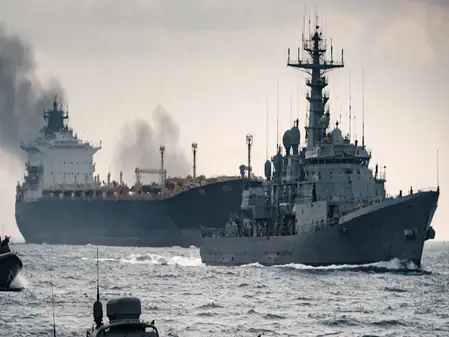
The Strait of Hormuz is a tinderbox, where Iran’s response to U.S. and Israeli strikes has unleashed mayhem on international shipping. In just 48 hours, the Gulf of Oman and Persian Gulf have become hunting grounds for commercial vessels under missile, drone, and explosive fire.
Damage reports tally three to eight affected ships—oil-laden tankers and a container vessel among them—with tactics including speedboat drones and close-range blasts. Tragically, at least one mariner perished, several more injured in the fray.
Post-February attacks on Iranian assets, Tehran’s counterstrikes have cleared the vital strait, which ferries 20% of the world’s oil and LNG by sea. Sightings of transiting ships have nosedived.
Hundreds of vessels linger trapped or diverted to safety. Powerhouses like Maersk and Hapag-Lloyd nix the passage outright, channeling traffic around the Cape of Good Hope for punishingly longer, pricier hauls.
Jamming of GPS and AIS persists mercilessly, with intelligence noting 1,100 electronic attacks creating bogus ship tracks and navigation havoc.
Insurers balk at the risks, voiding policies across Iranian and nearby waters, hiking premiums sky-high. J MIC’s upgrade to ‘Critical’ threat level broadcasts dire warnings.
MARAD’s directives are clear-cut: bypass if feasible, shadow naval forces at 30 nautical miles, validate all sensors rigorously, and adhere to BMP5 or MS best practices. Stakeholders watch anxiously as supply chains teeter.