


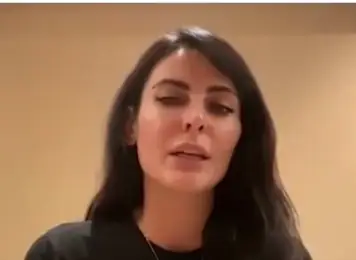
Renowned for her roles in Indian films, Mandana Karimi turned personal advocate, lamenting Iran’s oppressive landscape. The Tehran native, who emigrated at 18, shared visceral pain over the regime’s grip on her people.
‘I’ve lived it, not just heard it,’ Karimi clarified, her Iranian roots—18 years there, passport shed four years back—lending authenticity. Exile unveiled truths hidden in plain sight.
Arrested acquaintances, hangings, January 8 slaughters: ‘Friends gone forever,’ she mourned. As a survivor, she demands, ‘See the savagery through Iranian women’s eyes.’
Freedom quests span 48 years; January 8-9 uprisings met gunfire. ‘One day, many slain,’ she detailed. Help came sporadically to those who cried out internationally.
On calls for foreign attacks: ‘Don’t judge their war cries—empathize with 48 years of hell. Bombing pleas stem from utter despair.’ Women’s torments are unfathomable.
Karimi marvels at her luck: ‘Family updates remind me—I dodged becoming a January 8 casualty, vanished like so many, leaving parents in agonized ignorance of graves.’
Tying to Mahsa Amini’s 2022 fate, she rebuked critics: ‘You ignored my pleas to speak for Iran early this year. Quiet then, chatty now—thanks, but no.’
Her story spotlights Iran’s human cost, fusing stardom with a plea for global solidarity.