


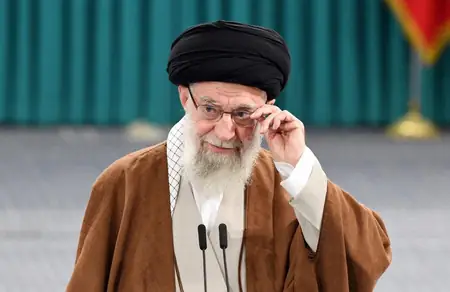
The precision elimination of Iran’s Supreme Leader Ayatollah Ali Khamenei by American and Israeli strikes has diplomats decrying a perilous path ahead. Pledges of regime change ring hollow as the specter of economic meltdown grips global markets.
This seismic shift after 46 years of theocratic rule triggered Tehran’s aggressive response, destabilizing the Middle East. With Hormuz nearly sealed and Dubai grounded, supply lines for oil and goods face existential threats.
Veena Sikri, former top Indian diplomat, called it catastrophic: ‘Immense disruption when talks in Geneva, hosted by Oman, seemed fruitful—Iran was bending on concessions.’ Israel’s initiative, followed by US support, exposed the charade.
KP Fabian praised the intel-driven raid that obliterated Khamenei’s family refuge as a tactical masterstroke. Still, he questioned: ‘Military success doesn’t equate to political upheaval; the term is murky.’
Mahesh Kumar Sachdev lauded Khamenei’s endurance: ideologically steadfast yet realistically adept, he wove balances across ideological streams, regional allies, proxies, clerics, elites, businesses, and justice systems. His efforts unified the Islamic Revolution, succeeding substantially despite harsh critiques.
Beyond immediate shocks—plummeting equities, spiking energy costs—the long shadow includes reshaped alliances and trade realignments. Leaders now navigate uncharted turbulence, where one leader’s demise reverberates through boardrooms and parliaments alike.