


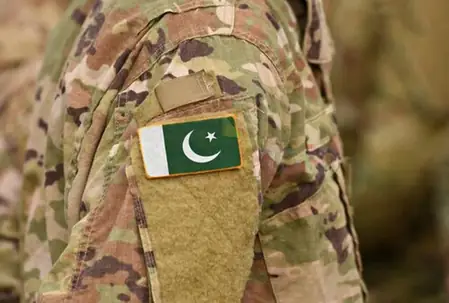
Tragedy struck Pakistan’s security apparatus in Khyber Pakhtunkhwa’s Bannu as a suicide bombing martyred Lieutenant Colonel Shahzada Gul Faraz and Sepoy Karamat Shah during an anti-terror operation. ISPR, the armed forces’ spokesperson, held Fitna al-Khawarij – linked to banned TTP – responsible for the Saturday assault.
Detailed by ISPR, the security detail was on an intelligence mission when alerted to militants and a bomber. The interceptor vehicle collided with the bomber’s explosive-laden one, triggering a blast that felled the 43-year-old officer and 28-year-old soldier from Peshawar.
Responding with valor, troops gunned down five attackers amid intense combat. The military decried the terrorists’ Afghan safe havens and their desecration of Ramadan.
Integrated into the sweeping ‘Azm-e-Istehkam’ counter-terror drive, endorsed via the National Action Plan’s Federal Apex Committee, these efforts face frequent ambushes.
President Zardari, in an official communique, lambasted the ‘cowardly’ strike, proffering condolences and steeling national will: ‘Operations against Fitna al-Khawarij proceed relentlessly. These terrorists defile Islam’s sanctity.’
Bannu’s recurrent violence spotlights Pakistan’s protracted war on terror, where every operation bears the risk of such sacrifices, yet fortifies the determination to secure peace.