


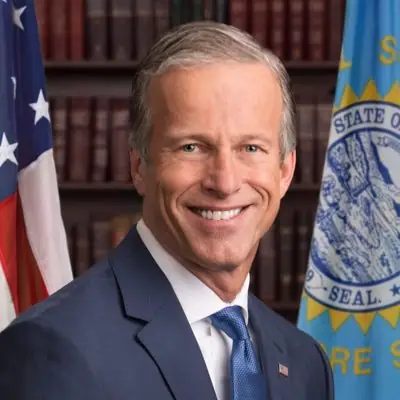
A wave of approval from prominent US legislators greets President Trump’s initiation of Operation Epic Fury on Iran. Republicans in leadership roles defend the precision strikes as indispensable against persistent nuclear threats, missile expansion, and terror sponsorship.
Senate Majority Leader John Thune articulated the peril: Iran’s unyielding nuclear agenda, ballooning missile reserves, and militant group patronage endangering Americans, civilians, and allies—a stark, undeniable hazard.
Whip John Barrasso celebrated the move to revive preventive posture. “I applaud President Trump’s key action ending Iran’s reign of terror. Peace through strength defined,” he proclaimed, amid a White House compilation of supportive statements.
Tom Cotton, Senate Republican Conference chair, recounted the litany: nuclear weaponry quest, missile thousands, government terror funding, 47 years of conflict including hostages, Beirut and Khobar tragedies, Iraq-Afghan explosives felling thousands of troops, Trump hit attempts.
Per Senator Roger Wicker, targets were explicit: nullify Ayatollah nukes eternally, diminish missile troops and output, eradicate sea and terror prowess. Pre-action intel reached Congress chiefs, per Speaker Mike Johnson—the Gang of Eight got comprehensive alerts on safeguarding needs.
Steve Scalise, House Majority Leader, spotlighted Trump’s diplomacy grind versus Iran’s danger realization. Senator Lindsey Graham exulted on shows: “Terror central’s vessel submerges. Captain gone. Superb, President Trump.”
Daylong commentary pegged nuclear progress, missile buildup, militant support as strike warrants, strategically timed and past due. Presidential command prevails constitutionally, with congressional debate norms for majors; ongoing briefings anticipated.
Iran’s 1979 revolution onward has shaped US security doctrine—through bans, surrogate fights, enrichment clashes. A nuclear-free Iran unites US politics enduringly, differing in diplomacy-sanction-force equilibrium.