


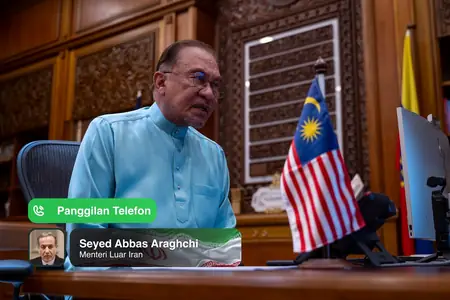
Outrage continues to build over the United States and Israel’s lethal bombardment of Tehran, prompting a decisive response from Malaysia’s Prime Minister Anwar Ibrahim. In direct communication with Iranian Foreign Minister Seyed Abbas Araghchi, Anwar affirmed his country’s empathy and resolve.
Via X, the PM outlined the poignant exchange, where he offered condolences for the Supreme Leader Ayatollah Ali Khamenei, 165 schoolchildren, and other victims. This gesture underscores Malaysia’s role as a voice for the oppressed in global forums.
Anwar lambasted the strikes as reprehensible breaches of international norms, restating Malaysia’s zero-tolerance for sovereignty violations. He articulated deep apprehensions regarding the conflict’s far-reaching consequences for international harmony and development.
The conversation pivoted to actionable steps: prioritizing de-escalation, invigorating diplomatic initiatives, and seeking non-violent outcomes for entrenched issues, notably Palestine’s unresolved struggles.
In a related development, Iranian President Masoud Pezeshkian conferred with Vladimir Putin. Russia’s Foreign Ministry noted Putin’s profound sympathies and his advocacy for rapid return to talks, rejecting force as a viable path for Middle East peace.
As alliances form in response to the tragedy, Anwar’s intervention highlights the imperative for multilateral engagement. The coming days will test whether diplomacy can eclipse aggression and pave the way for reconciliation.