


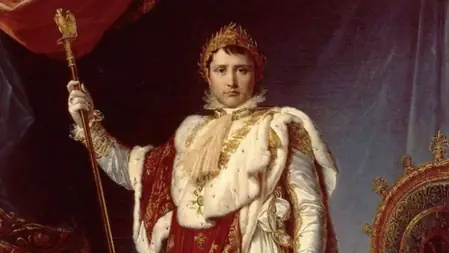
Imagine slipping past guards, commandeering ships, and marching into your capital as crowds cheer—Napoleon did just that in 1815, sparking the Hundred Days that left Europe agog. February 26 saw him leave Elba, defying his captors’ complacency.
After Leipzig and abdication, coalitions banished him to Elba while reviving the Bourbons. Louis XVIII’s regime faltered amid veteran bitterness and liberal stirrings, keeping Napoleon’s flame alive.
Astutely tracking events, Napoleon seized the moment. With 1,000 followers, he landed March 1 near Antibes. En route to Paris, he converted enemies into allies with sheer presence. ‘Soldiers, if you want to kill your emperor, I am here,’ he proclaimed, coat flung open—no one fired.
Power recaptured by March 20, the Hundred Days unfolded with constitutional tweaks, military musters, and coalition clashes. Victory eluded him at Waterloo on June 18, leading to Saint Helena exile and death in 1821.
This episode underscores resilience’s power and hubris’s cost, a pivotal pivot in 19th-century geopolitics that historians still dissect for lessons in bold leadership.