


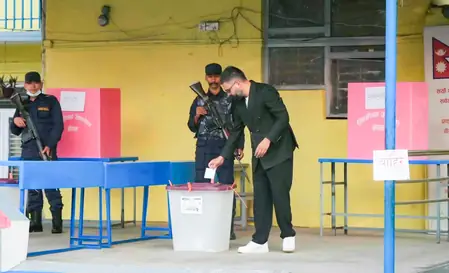
The March 5 Nepalese elections delivered a seismic shock as Balendra ‘Balen’ Shah surged to victory in the PM race, with his Rashtriya Swatantra Party (RSP) scripting history. This wave of change spotlights a leader whose rapper roots and mayoral feats defy political norms.
Controversy trails his surname evolution—from ‘Sah’ in early citizenship records to ‘Shah’—prompting Home Ministry accusations of breaching Act 2063 provisions, igniting fresh legal and public scrutiny.
Shah’s charisma stems from social media savvy, rallying Gen-Z against outdated politics. Kathmandu’s governance under him featured bold, data-led actions against illegal structures and informal traders, polarizing opinions: acclaim for order from allies, condemnation for heavy-handedness from activists.
As a structural engineer by training, Shah touts analytical governance. But international relations pose the ultimate challenge. Devoid of conventional diplomacy, his navigation of India-China dynamics is questioned, especially with resurfaced posts critiquing external influences.
This victory buries Nepal’s old political order, ushering a fresh paradigm. Shah’s narrative—from artist to statesman—embodies aspiration and risk. Will his unconventional toolkit suffice for geopolitical tightropes? The citizenship imbroglio and diplomatic unknowns dominate headlines, as Nepal braces for transformative leadership.