


Fresh from electoral victory, Nepal’s Rastriya Swatantra Party (RSP) gears up to form a stable administration, igniting hopes for smoother sailing in India relations long battered by mistrust and rivalry. Kathmandu’s latest polls promise the strong leadership needed to navigate these choppy waters.
At stake are ties rooted in proximity and history: millions cross the porous border yearly, cultures intertwine, and India fuels 63% of Nepal’s imports per World Bank stats. The 1950 treaty symbolizes this alliance, yet recent strains—from border spats to Oli’s China embrace—have overshadowed it.
RSP’s blueprint diverges tellingly. No nod to the BRI-linked Damak park near India’s ‘Chicken Neck,’ but a firm pledge to overhaul the frozen rupee rate with expert input. This balanced approach could rebuild confidence.
New Delhi’s response is encouraging. ‘We congratulate Nepal and eagerly await collaboration with its new leadership,’ the MEA affirmed, highlighting election support. Veteran diplomat Jayant Prasad stressed the need for a mandate enabling good governance.
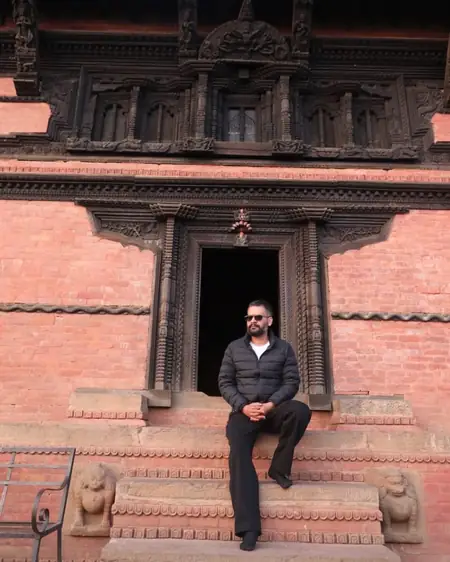
Enter Balendra Shah: the rapper-engineer who stormed politics with unfiltered nationalism. His mayoral stunts—a ‘Greater Nepal’ map, outrage over Sita’s portrayal—stirred pots, yet frame him as fiercely independent. Campaigning on self-reliance, he appeals to a generation seeking equity between neighbors.
A single-party rule first since constitutional changes could turbocharge reforms on jobs and trade. With China sidelined in manifestos, India has a window to deepen engagement via aid, connectivity, and exchanges. Stability in Nepal bodes well for regional harmony, thawing frosts into fruitful partnership.