


Former President Yoon Suk Yeol’s life term for treasonous martial law antics has South Korea boiling over the absence of a death sentence. Delivered February 19, the ruling—life with hard labor, parole possible post-20 years—has opponents howling for blood in a nation execution-free since 1997.
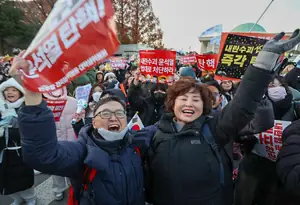
Cheers turned to chaos outside court as the rebel label stuck but capital punishment didn’t. Protesters, opposition stalwarts, and activists decried it as soft justice for Yoon’s bid to crush dissent via military might during crisis.
Democratic Party’s Jung Chung-rae blasted the leniency as reneging on citizen heroism that quashed the plot. Unions, NGOs, and rights watchdogs hit the streets, framing Yoon’s move as a direct strike at electoral institutions.
Historical echoes abound: Dictator Chun Doo-hwan’s 1996 death penalty for atrocities softened to freedom by 1997. Penal code’s triad—death, labor life, life—tilted toward the least severe here. Prosecution sought no-mercy finality; defense spun death as moral statement over literal end.
The clamor reveals societal rift. Execution fans argue it fortifies democracy against despots; skeptics uphold humane process, wary of vengeance cycles in politics’ viper pit. Korea’s de facto no-hang policy reflects evolved norms prioritizing life terms for political felons.
As camps clash—punish-severely versus process-respecting—the verdict spotlights hyper-partisan tensions. Yoon’s saga isn’t just personal comeuppance; it’s a referendum on how far democracy bends before breaking, and what penalty restores it.