


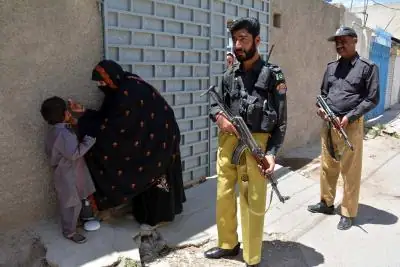
Resistance to polio vaccination boiled over in Lahore, where parents physically confronted and assaulted teams administering drops to children Tuesday. These clashes in key areas reveal systemic obstacles to Pakistan’s polio-free ambitions, blending community distrust with operational hurdles.
Police accounts via local press describe Harbanspura’s mayhem: parents halted the team, attacked them, and rallied more assailants. A helpline call brought police, who endured counterattacks before filing charges. Shahdara mirrored this with harassment of a female worker, earning its own FIR.
As one of two nations harboring wild poliovirus, Pakistan sees routine violence against vaccinators, especially in Khyber Pakhtunkhwa and Balochistan. The latest campaign dosed 44.3 million kids but bypassed 2%, or hundreds of thousands. Early 2026 efforts missed 10 lakh, with 53,000 refusals; Karachi topped at 58% coverage.
A senior official attributed gaps to security woes, community rejection, and weather, stranding 233,000 children—184,000 in Khyber Pakhtunkhwa, 50,000 in snowy PoJK/PoGB zones without campaigns.
Eradication demands more than vaccines: robust security, myth-busting education, and inclusive strategies. Pakistan’s resolve will determine if it can protect its youngest from this preventable scourge.