


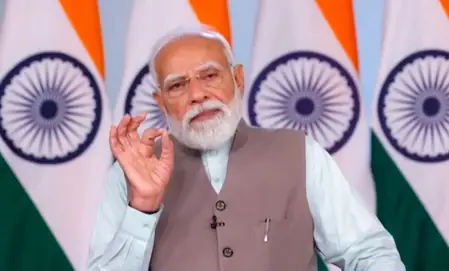
Nepal’s recent elections have drawn effusive praise from Indian Prime Minister Narendra Modi, who hailed the peaceful and successful voting process. Posting on X, he expressed delight at the high voter turnout and commitment to democracy.
‘Congratulations from the heart to Nepal’s people and government for these exemplary elections. Thrilled by the enthusiasm of Nepali brothers and sisters in exercising their rights,’ Modi stated, calling it a proud milestone for Nepal’s democracy.
Reaffirming India’s role as a trusted partner, PM Modi vowed cooperation with Nepal’s new government to scale new peaks in peace, prosperity, and progress.
Counting reveals RSP’s dominance, with 60 seats under its belt by 6 PM. This anti-establishment outfit, launched by Rabi Lamichhane—a journalist until recently—and boosted by Balen Shah’s mayoral fame, has upended expectations.
Heavyweight KP Sharma Oli’s woes in Jhapa exemplify the shift: down 43,000 votes in a seat he owned twice before (2017, 2022). Victory for RSP here seems locked in. The balance of 110 seats follows proportional vote distribution, emphasizing party loyalty over candidate appeal.
These results could fragment Nepal’s fractured politics further, opening doors for fresh voices. Modi’s congratulations arrive at a pivotal moment, strengthening India-Nepal bonds crucial for cross-border trade, security, and cultural exchanges in the Himalayas.