


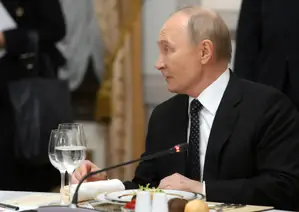
Russia’s security apparatus is under the spotlight following a devastating suicide bombing in Moscow that felled a senior police officer. President Vladimir Putin wasted no time, ordering the FSB to enforce watertight protections as assassination attempts on top brass proliferate.
Tuesday’s early-morning strike hit a police patrol directly, injuring two others gravely. This fits a pattern of escalating violence against elite forces in recent quarters, now met with Putin’s unequivocal mandate.
In a tense meeting with FSB and federal agencies, the president laid bare the calculus: ‘Strategic losses push foes to terror—urban assaults, infrastructure hits, official slayings.’ He called for bolstered anti-terrorism frameworks, heightened defenses at energy and transport hubs vulnerable to Ukrainian fire, and rigorous safeguards for crowds and borders.
The bomber, purportedly radicalized and equipped online for remote activation, exemplifies the remote-directed menace. Putin flagged the uptick in attacks, demanding robust frontier reinforcements.
As the conflict grinds on, these imperatives test Russia’s resolve. The FSB’s mobilization promises a fortified stance, potentially curtailing terror’s reach and ensuring stability amid adversity.