


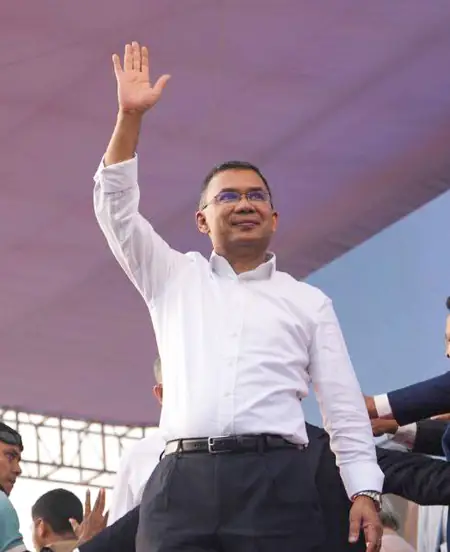
Tarique Rahman’s BNP has stormed to power in Bangladesh, promising a democratic renaissance after turbulent times. Jubilation tempers with apprehension, as Jamaat-e-Islami claims 77 seats—its pinnacle achievement—casting long shadows over the victory.
Rahman’s throne is thorn-strewn, courtesy of Yunus’s legacy: Pakistan favoritism via open borders and visas, enabling ISI to funnel arms, radicals, and drugs toward India. Mob tyranny peaked, with Jamaat impunity in media beatings, minority hunts, and rival silencing; justice systems crumbled.
Diplomacy takes backseat to domestic overhaul for Rahman, who champions national primacy. Jamaat’s playbook raises alarms: tactical patience preceding violence, potential BNP ties despite majority strength, and administrative entrenchment from Yunus days.
Exclusion risks Jamaat-fueled unrest. Its vault from sub-20 seats to 77 equips ideology spread and fear-mongering, challenging 1971 legacies it opposed alongside Pakistan. Yunus abetted the surge in horrors, but elections affirm public aversion.
West Bengal frontier wins intensify threats, per intel, endangering regional peace. Rahman eyes normalcy sans concessions, navigating Jamaat’s clout to forge lasting stability.