


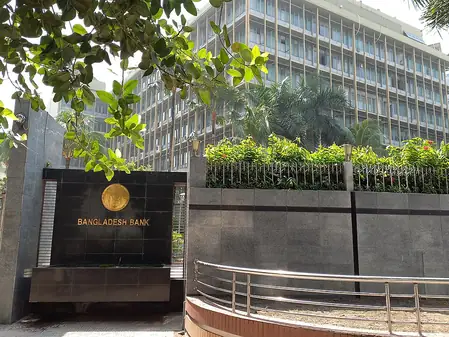
Bangladesh’s financial watchdog has become its own worst enemy. The dramatic ouster of Governor Ahsan H Mansur was merely the appetizer; the main course was the forcible eviction of senior advisor Ahsan Ullah by a band of belligerent bank officials.
Eyewitness accounts in Dhaka Tribune reveal a shocking scene at the central bank HQ: 30 staffers, under Additional Director Tauhidul Islam’s lead—with Executive Director Sarwar Hussain, Director Naushad Mustafa, and peers—stormed in, yelling slogans and physically hauling Ullah to a car. Assault attempts added to the mayhem, marking a dark first for the institution.
Mansur, no stranger to controversy, drove reforms long overdue—bank mergers, stricter surveillance, defaulter pursuits. Unloved by those with skin in the game, his post-briefing dismissal reeks of retaliation. The advisor’s fate soon followed, amplifying alarms over internal controls.
What does this say about Bangladesh Bank’s fitness to protect the economy? In a sector plagued by fragility, such spectacles erode trust and invite skepticism. Dhaka Tribune urges stern government measures to restore order and insulate policy from accountability-phobes.
The stakes couldn’t be higher. Discipline must return, probes must happen, and leadership must prioritize public good. Ignore this, and the banking system’s woes deepen, with ripple effects across the economy. Bangladesh deserves better from its central bank.