


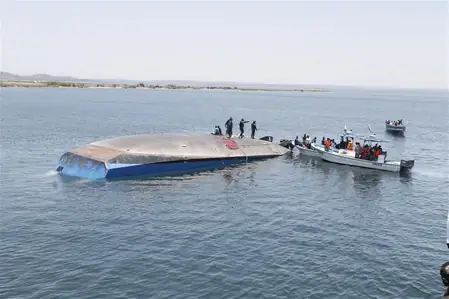
Tragedy gripped Sudan’s Nile River province as a passenger boat succumbed to fierce waves, drowning 15 people and sparking a desperate hunt for four others. Overburdened with more than 27 souls—families laden with kids and elders—the craft was en route from Taiba al-Khawad to Deim al-Karai when disaster struck.
Civil defense teams mobilized rapidly, hauling out the deceased and rescuing eight survivors from the churning waters. Persistent efforts by locals and professionals continue for the lost four, amid a landscape fraught with such perils.
Corroborating accounts, the Sudan Doctors Network decried the incident in a forceful release, spotlighting egregious lapses in transport safeguards. They beseeched officials for swift deployment of expert recovery units and hammered home the imperative for robust safety overhauls.
In a country where the Nile’s banks host isolated hamlets with minimal bridging, traditional boats remain a lifeline—and a liability. Flood seasons exacerbate threats, prompting perennial warnings from safety enforcers about wooden boats’ frailty.
This catastrophe amplifies calls for investment in crossings and regulations. It mourns not just numbers, but narratives of everyday folk caught in systemic neglect. With searches unrelenting, Sudan confronts the toll of inaction, vowing pathways to prevention.