


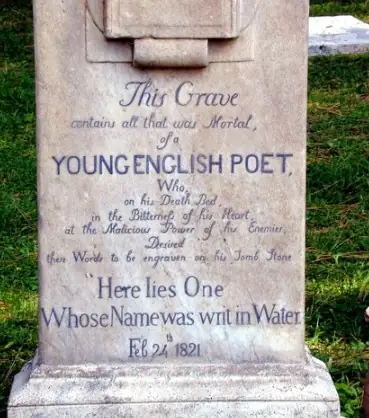
Evoking moonlit nights and bursting fruits, John Keats’ poetry captures Romanticism’s essence like no other. On this day in 1821, the 25-year-old genius succumbed to tuberculosis in Rome, his self-deprecating gravestone reading: ‘Here lies one whose name was writ in water.’ Irony abounds, for Keats’ legacy flows eternally.
‘Ode to a Nightingale’ immerses us in empathetic envy for the bird’s oblivious bliss, contrasting with the poet’s ‘soul’ famine. This immersive quality defines Keats—hyper-aware senses channeling universal longing.
In ‘Ode on a Grecian Urn,’ he forges his credo: beauty and truth intertwined, frozen in art’s urn against time’s erosion. ‘To Autumn’ then grounds us in seasonal realism, from cider presses to ‘soft-lifted’ stubble, blending joy with poignant hush.
Though ‘Endymion’ faced savage reviews—’drenched in Cockney fumes,’ sneered critics—its beauty-paean endures. Keats’ path: apothecary training ditched for verse, amid orphanhood, sibling tragedies, debts, and love’s bittersweet pangs for Fanny.
Shelley eulogized him as ‘snuffed out by an article,’ but Keats rose phoenix-like. His odes, sonnets, and narratives prize sensation and ambiguity, influencing modernists to confessional poets.
Keats teaches that from brevity blooms immortality. His water-written name? Etched indelibly in literature’s bedrock.