


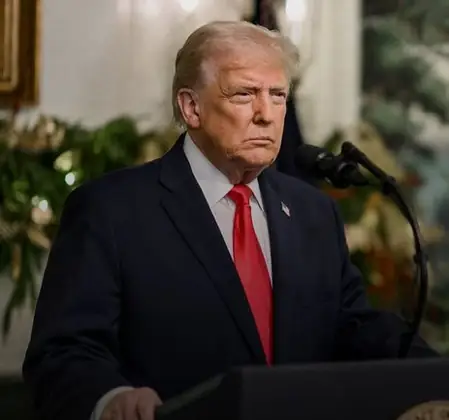
The clock is ticking for Iran as US President Donald Trump issues stark warnings of military action within the next 10-15 days. Aimed at coercing a nuclear surrender, the threatened strikes represent a high-stakes gamble in America’s long-running showdown with Tehran.
Planning focuses on surgical operations against high-value sites, designed to maximize pressure with minimal escalation risk. Insiders describe a ladder of responses: Start small, scale up if nuclear work persists, potentially toppling the regime.
Publicly, Trump has dialed up the drama. ‘Expect a deal—or something like it—soon,’ he remarked. He pegged revelation timelines at 10 days initially, then stretched to 15, keeping foes off-balance.
Pentagon actions speak volumes. Aircraft carriers and warships converge on the Middle East, with full operational capability projected for mid-March. This force projection is no drill—it’s a prelude to potential hostilities.
Allied input tempers optimism. Daniel Shapiro, former envoy to Israel, predicts devastating joint impacts but flags enduring dangers: ‘Iran can hit back hard; this won’t end neatly.’
Khamenei’s retorts were bellicose, promising to dispatch US vessels to Davy Jones’ locker and deliver crippling reprisals. Such bravado underscores the mutual deterrence fraying at the edges.
Talks persist amid the brinkmanship. Officials detect faint progress but demand Iranian specifics soon. Iran’s civilian-nuclear defense rings hollow post-2015 deal rupture, amid a trail of regional flare-ups.
From sanctions to shadow wars, the US-Iran rift has simmered dangerously. Trump’s bold posture could force resolution—or ignite catastrophe—in this pivotal moment.