


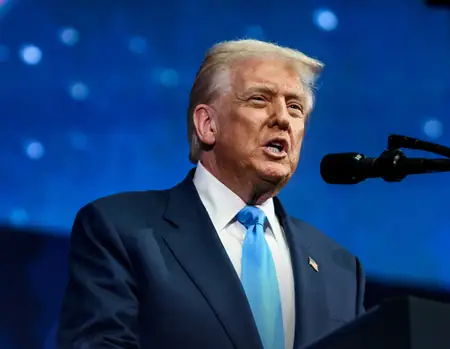
A pivotal Supreme Court ruling has dismantled President Donald Trump’s tariff framework, rejecting emergency power grabs in a split 6-3 opinion. Jubilation erupted among business lobbies, advocacy outfits, and legislators who view it as upholding legislative trade supremacy and alleviating corporate burdens.
The bench ruled the executive improperly wielded antiquated powers for broad import levies against trade peers, invalidating prior-year impositions as extralegal.
‘Terrific development for commerce and households,’ said U.S. Chamber exec Neil Bradley. He unpacked the damage: tariff-induced expense surges crippled firms, disrupted chains, and burdened shoppers with steeper tabs.
Urging refunds of illicit collections and a tariff strategy refresh to boost the economy and lighten consumer loads, Bradley’s plea resonated with small-firm group We Pay Tariffs. They seek across-the-board, expeditious repayments after billions in undue payments by affiliates.
Kentucky GOP Sen. Mitch McConnell endorsed: ‘Trade skirmishes with friends yielded no real gains long ago. Washington’s contrived obstacles inflate costs for American-made and -bought goods.’
Council on Foreign Relations’ Edward Fishman anticipates reduced tariff agility in economic diplomacy, with viability in conventional bargaining.
Trade circles express wariness over instability. Apprehensions mount that novel legal paths might revive the barriers, necessitating robust countermeasures for market confidence.