


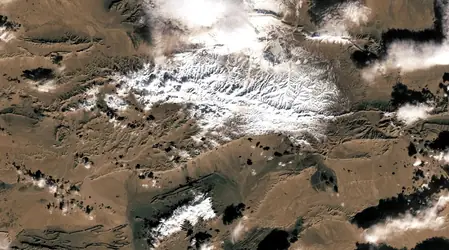
The Sahara Desert: a furnace of sand and sun. But on one extraordinary day—February 18, 1979—in Ain Sefra, Algeria, it turned into a winter wonderland. Snow dusted the dunes, creating an otherworldly sight in the world’s premier hot desert.
Enormous at 9.2 million square kilometers, the Sahara battles heat waves daily. That day, however, Mediterranean cold fronts invaded, dropping temperatures to zero. Rain en route froze into snow upon clashing with elevated terrains near the Atlas foothills.
According to climate experts, the setup involved low-pressure systems and moist air uplift, a textbook recipe for high-desert snow. Lasting mere hours, the event was documented vividly, preserving its legacy. Ain Sefra, the desert’s threshold town, was ground zero.
Repeat performances in 2016, 2018, and 2021 suggest evolving patterns, though 1979 remains the landmark. It dodges direct climate change blame but exemplifies systemic complexity—how distant oceans influence inland extremes.
This frozen moment in fiery sands teaches humility. Nature, ever the teacher, shows that no environment is immune to change, blending science with spectacle in unforgettable ways.