

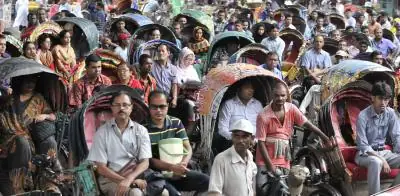
Dhaka’s explosive growth masks a deepening urban nightmare, according to a revealing Saturday report. Bangladesh’s heartland city, fueled by economic geography, has swelled enormously in population and footprint, but coherent planning is nowhere in sight. Mismanagement festers, stunting its potential as a vibrant hub.
Traffic is a perpetual scourge, housing springs up willy-nilly, and utilities disappoint with shoddy supply. Green belts and pedestrian paths? Forgotten. Noise and smog blanket everything, as Prothom Alo’s exposé underscores a management meltdown citywide.
The capital is sliding into slum territory, with unauthorized colonies expanding amid eviction dramas and fire tragedies. Demographic upheavals from urbanization bypass essentials: living standards, work ecosystems, social fabrics, and organic neighborhood growth.
Challenges abound—child marriage prevalence, child undernourishment, educational shortfalls, crime surges, health access hurdles. The Economist Intelligence Unit’s 2025 index confirmed the malaise, ranking Dhaka 171/173 on livability metrics including stability, health, culture & environment, education, and infrastructure.
Dhaka haunts global air quality leaderboards as a pollution leader. Jams throttle vitality, embodying overcrowding horror. Faulty drainage invites floods and garbage avalanches routinely.
Construction dust perpetuates a dull, depressing atmosphere. Poverty, inequities, pressured health systems, and weak rule amplify the turmoil. The report urges a radical overhaul to salvage Dhaka’s promise.