


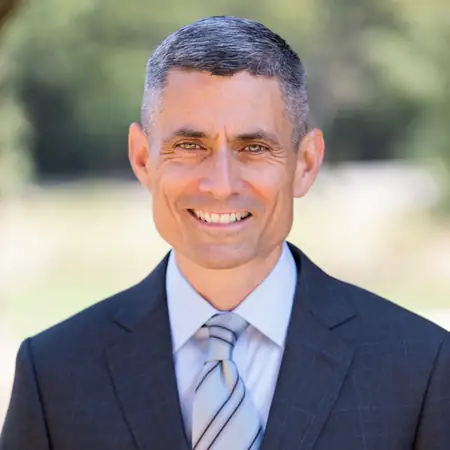
Elevating its Indo-Pacific playbook, Washington has crowned India as the reliable mainstay for South Asia and the region’s western corridor. Assistant Secretary Paul Kapoor conveyed this in testimony prepared for the House Foreign Affairs Committee’s South and Central Asia panel, weaving in the Trump ‘America First’ ethos to propel trade, defense, and investment synergies with India.
The President’s National Security Strategy mandates putting America ahead via vital-world liaisons, as Kapoor underscored in pre-testimony remarks. This approach has yielded defense and economic dividends for the U.S. and allies alike.
India’s billion-strong population anchors the subcontinent, rendering South Asia a linchpin. Kapoor alerted to the peril of hostile hegemony disrupting world trade, vowing U.S. intervention to preserve freedom and accessibility.
India’s prowess in size, situs, and open-region advocacy makes it the bedrock for South Asian steadiness and western Indo-Pacific order. Diplomatic highs and pacts in defense, tech, energy are gaining speed.
Spotlit achievements: extended 10-year defense pact, TRUST Initiative advances, India’s procurement of U.S. drones and natural gas. Trump and Modi inked a pivotal trade accord last week; Bangladesh followed suit, granting U.S. exporters fresh avenues.
Three-pronged capacity enhancement—defense, investments, diplomacy—guides the path. Pakistan partnerships blend federal financing with industry know-how for resource gains; trade blooms in energy and agriculture.
Vulnerable gems like Bangladesh, Nepal, Maldives, Sri Lanka, Bhutan merit safeguards from duress. Debt-trap perils loom; Kapoor urged teamwork to enable partner resilience, U.S. fortification, and prosperity.
Countering China’s economic-security creep, South Asia spotlights U.S. Indo-Pacific drive. India, via defense depth, alliance networks, trade leaps, proves the ultimate strategic comrade.