


The US is dusting off its national security playbook for a new tariff offensive, zeroing in on batteries for renewables, cast iron castings, plastic conduits, harsh-environment chemicals, electrical grid gear, and wireless telecom hardware. Post-Supreme Court clarity, Section 232 offers a clear path forward.
India’s exporters, riding high on US demand for these goods, face turbulence. Global chains mean an Indian chemical plant or metal forge supplies US factories directly or indirectly—now at risk of punitive duties.
Distinct from the temporary 15% universal tariff idea, these are surgical, rooted in the 1962 Act’s security clause. Historical precedent abounds: aluminum tariffs reshaped markets, provoking India’s tariff reprisals on Harley-Davidsons and walnuts.
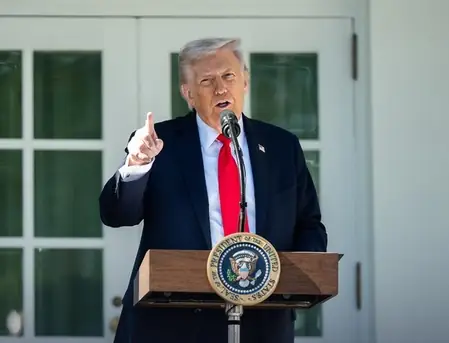
Commerce probes are thorough but don’t bind the executive; tariffs can flip on a dime. White House voice Kush Desai framed it as duty-bound resolve: Trump’s team will exhaust all levers for security.
The Court’s 6-3 IEEPA veto preserved Section 232’s potency, fueling speculation on rollout timelines. Financial markets twitch, with Indian steel and chem stocks dipping on whispers.
Beyond bilateral hits, this signals escalating US decoupling from vulnerable imports. India, balancing US ties with China rivalry, must weigh WTO appeals, bilateral talks, or supply pivots. In an era of weaponized trade, national security rhetoric packs real economic punch.