

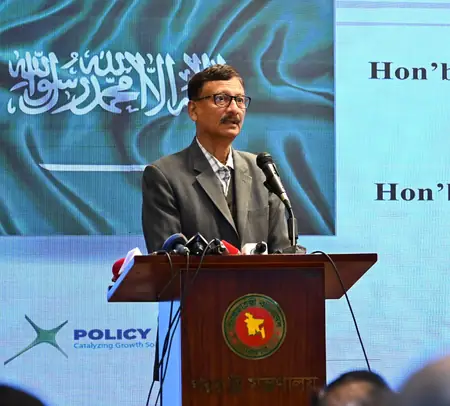
Tensions rise in Dhaka as the United States incorporates Bangladesh into its controversial visa bond regime, prompting sharp rebuke from Foreign Affairs Advisor Touhid Hossain, who called it ‘very unfortunate.’ The policy demands steep deposits from visa seekers, amplifying access barriers.
Thursday’s revelation lists Bangladesh with peers like Benin, Burundi, Central African Republic, Djibouti, Gambia, Guinea-Bissau, Malawi, and Tuvalu. B1/B2 candidates, post-eligibility, post bonds from $5,000-$15,000 at consular discretion, backed by Form I-352 and Pay.gov protocols.
Hossain told reporters, ‘This applies broadly to immigration-challenged nations. It’s unsurprising yet profoundly regrettable, bringing us pain.’ Echoed by The Daily Star and UNB, his words reflect leadership’s chagrin amid Yunus’s transitional mandate.
US guidelines stress official channels: direct Pay.gov links, no third-party intermediaries, and no visa guarantees. Unauthorized payments vanish without recourse, safeguarding fiscal integrity.
Economically vital for Bangladesh—where US remittances fuel growth—this curtails opportunities for education, business, and leisure travel. It underscores persistent stereotypes on developing-world compliance.
The 24-nation cohort spans Africa, Asia, Caribbean, and Pacific, evidencing data-driven selection via overstay metrics. Bangladesh, with its diaspora ambitions, faces recalibration.
Prospects include lobbying for delisting through reforms, bilateral summits, or data transparency. Yunus’s team eyes proactive diplomacy to avert escalation. Globally, this exemplifies tightened borders in an interconnected era, balancing security with mobility rights.
Travelers are advised to prepare meticulously, as bonds tie up capital pending visa fates. Dhaka’s narrative pivots toward self-improvement, aiming to restore unfettered US access.