


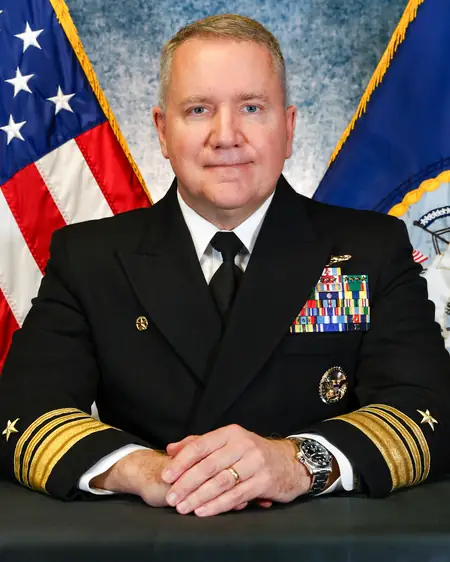
Beijing’s undersea ambitions are closing off strategic ocean routes, US Navy officials told Congress in a high-stakes briefing. During the ‘Your World Beneath the Waves: US-China Competition Undersea’ hearing by the US-China Economic and Security Review Commission, leaders detailed the threat to America’s submarine supremacy.
Submarine commander Vice Admiral Richard Seaf stated plainly: US undersea superiority holds firm but feels the squeeze. A linchpin of regional deterrence, it demands vigilant defense. China deploys accelerated sub modernizations, anti-submarine prowess, and a sprawling seafloor sensor system—the ‘undersea Great Wall’—to hem in US access at chokepoints and within the First Island Chain.
Seaf spotlighted submarine essentials: stealthy persistence, power deployment, domain dominance, deterrence posture. Their undetected mobility ensures reliable escalation control.
China’s subtle tech uplifts in acoustics, sensing, lethality risk shifting power in contested domains. Countermeasures? Sub prioritization, base bulking, maintenance momentum, unmanned pushes, partner harmony. Peak readiness is paramount.
Rear Admiral Mike Brooks, intel director, affirmed China’s massive fleet: 60+ vessels blending nuclear hunters, missile subs, cutting-edge diesels. Nuclear fleet growth and factory ramps signal 2030s intent.
‘Systemic confrontation’ networks subs with air, sensors, drones for superior tracking in key seas, deterring US moves. Autonomous vehicles, arrays, mining tech form a seamless undersea empire.
Conflict could ravage cables carrying world data and trades. PLA subs might match US regionally by 2040, fraying Indo-Pacific stability.
Beyond tactics, it’s about covert erosion in hotspots, safeguarding economic lifelines. For India et al., China’s Indian Ocean sub surge looms large.
Officials’ core plea: invest ceaselessly, innovate boldly, unite with allies—the undersea contest intensifies.