


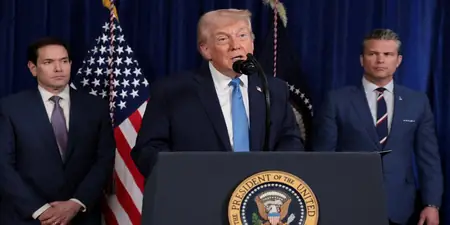
Tensions are high as the Trump team schedules full congressional briefings on a sweeping U.S.-orchestrated strike on Iran, with Secretary of State Marco Rubio and Defense Secretary Pete Hegseth at the forefront. Set for March 3 across House and Senate chambers, the updates include CIA Director John Ratcliffe and Chairman General Dan Caine, per White House spokesperson Dylan Johnson.
This follows an extended Sunday session with national security committee representatives from both parties. Lawmakers remain split: the operation’s legality and extent fueling sharp debates.
Senate Majority Leader John Thune voiced strong approval, labeling Iran’s nuclear pursuits and militant aid a dire threat warranting action. House Minority Leader Hakeem Jeffries decried the lack of pre-approval, warning of heightened risks to U.S. personnel from Iranian backlash.
While official details stay classified, reporting from leading papers reveals the strike’s intensity. A New York Times account described a three-pronged offensive using pinpoint intel to eradicate Iran’s top brass and air defenses, freeing Israeli jets to dominate Tehran’s skies—as noted by aviation expert Amir Eshel.
President Trump highlighted the naval component, announcing nine sunk Iranian ships on Sunday. The Washington Post, quoting Central Command and officials, detailed assaults shredding security protocols and killing four senior spy chiefs. Iran hit back at regional hubs, axing over 3,400 flights and drone-striking Dubai International to a halt.
Wall Street Journal coverage emphasized logistical ripples. Historically, U.S. presidents have ordered limited strikes under commander-in-chief auspices, sidestepping Congress’s war powers—a dynamic strained in Iraq, Libya, and beyond. The upcoming disclosures may bridge divides or ignite constitutional clashes.